


Why School Admission in Amreli Should Include Questions About Teacher Approachability
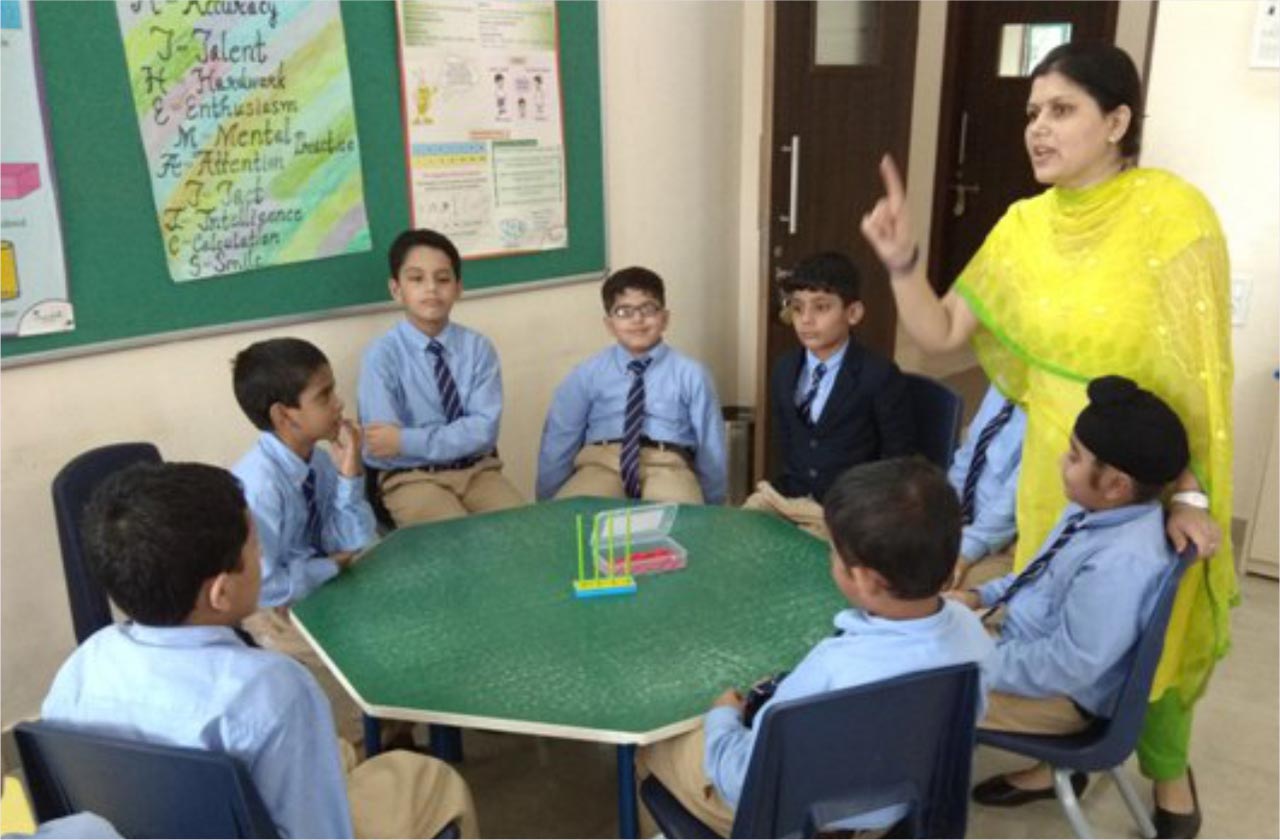
Teacher approachability plays an important role in a student's school experience. Students spend many hours in school. They need teachers who can explain lessons clearly, listen patiently, respond to doubts, guide behaviour, and notice when a student needs help. A student may have access to good books, classrooms, and activities, but if the student does not feel comfortable approaching a teacher, learning can become difficult.
This is why parents should ask about teacher approachability before choosing a school in Amreli.
What does teacher approachability mean?
Teacher approachability means that students feel comfortable going to teachers with questions, doubts, mistakes, concerns, or ideas. It does not mean teachers should be informal or without boundaries. It means students should feel that teachers are fair, respectful, patient, and willing to guide them.
An approachable teacher creates a classroom where students do not feel afraid to speak.
| Teacher approachability means | It does not mean |
|---|---|
| Students can ask doubts without fear | Students can behave without discipline |
| Teachers listen patiently | Teachers ignore classroom rules |
| Mistakes are corrected respectfully | Mistakes are left uncorrected |
| Students feel heard | Students control the classroom |
| Teachers guide with firmness and care | Teachers avoid expectations |
This balance is important. Students need warmth, but they also need structure. A good teacher can offer both.
Why teacher approachability matters for students
Students do not always express confusion clearly. Some may hesitate to ask doubts. Some may fear giving a wrong answer. Some may stay silent because they do not want classmates to laugh. Some may struggle with a topic but avoid asking for help.
When teachers are approachable, students are more likely to speak up early. This helps problems get addressed before they become bigger.
Teacher approachability supports:
| Area | How it helps |
|---|---|
| Academic learning | Students ask doubts and understand lessons better |
| Confidence | Students feel safe to try and participate |
| Emotional comfort | Students know there is someone to guide them |
| Discipline | Students understand correction without fear |
| Communication | Students learn to express concerns clearly |
| Participation | Students feel encouraged to join classroom activities |
| Early support | Teachers can identify learning or behaviour concerns sooner |
A classroom becomes more effective when students feel safe enough to ask, "Can you explain this again?"
Why parents should ask about this during admission
During school admission in Amreli, parents are not only selecting a building or a curriculum. They are selecting the daily environment where their child will learn, interact, make mistakes, build confidence, and seek guidance.
Parents should ask how teachers support students in regular classroom situations. For example, what happens when a student does not understand a lesson? How are doubts handled? How are mistakes corrected? Are shy students encouraged? Are students comfortable speaking to teachers outside class? How does the school communicate concerns to parents?
These questions help parents understand whether the school has a student-friendly learning culture.
Questions parents can ask during school admission
Parents can ask simple but meaningful questions during the admission process.
| Question parents can ask | Why it matters |
|---|---|
| How do teachers encourage students to ask questions? | Shows whether classroom culture is open |
| How are doubts handled during and after class? | Shows whether students receive academic support |
| How do teachers support shy or hesitant students? | Shows whether different personalities are understood |
| How are mistakes corrected? | Shows whether students learn without fear |
| Are teachers available for guidance when students need help? | Shows whether students have trusted adults in school |
| How does the school communicate academic or behavioural concerns to parents? | Shows school-home coordination |
| How does the school ensure respectful teacher-student interaction? | Shows the importance given to emotional safety |
| Are students encouraged to participate in discussions and activities? | Shows whether teachers build confidence |
These questions can help parents look beyond surface-level information.
Teacher approachability and academic growth
Academic growth depends not only on teaching, but also on how comfortable students feel while learning. A student may not understand a concept the first time. Another student may need examples. Another may learn better through discussion. If students hesitate to ask, learning gaps can remain hidden.
Approachable teachers help students close these gaps. They encourage questions, explain patiently, and guide students towards improvement.
For example, if a student is weak in mathematics, the teacher's response matters. If the student is scolded harshly, the student may avoid the subject even more. But if the teacher explains the mistake calmly and gives practice, the student may slowly gain confidence.
This is why teacher approachability is not a soft issue. It directly affects learning.
Teacher approachability and student confidence
Confidence grows when students feel that their voice matters. If a student is repeatedly ignored, mocked, or corrected harshly, the student may stop participating. On the other hand, if a teacher listens, encourages, and guides, students are more likely to speak, ask, and try.
This is especially important for shy students, students who make frequent mistakes, or students who take more time to understand a concept. They may need extra patience and reassurance.
An approachable teacher can help such students feel included.
How schools and parents can work together
Teacher approachability becomes stronger when schools and parents communicate regularly. Parents may notice changes at home, while teachers may notice changes in class. When both sides share observations, students receive better support.
| What schools can do | What parents can do |
|---|---|
| Share regular feedback on learning and participation | Stay open to teacher feedback |
| Encourage students to ask doubts | Encourage students to speak respectfully |
| Provide teacher-parent interactions | Attend meetings and ask specific questions |
| Notice students who are quiet or withdrawn | Share changes noticed at home |
| Guide students calmly | Avoid creating fear around mistakes |
| Support different learning needs | Avoid comparison with other students |
This partnership helps students feel supported from both sides.
At Podar International School in Amreli, we believe that students learn better when they feel supported, respected, and comfortable asking questions. Our teachers work towards creating a classroom environment where students can share doubts, participate in discussions, and seek guidance without fear. The aim is to help students understand concepts clearly, build confidence, and develop a positive attitude towards learning.
We also believe that teacher approachability strengthens the connection between school and home. Through regular communication and feedback, parents can better understand their child's progress, participation, and learning needs. This shared support helps students feel guided both inside and outside the classroom.
To know more about our school and the admission process, please get in touch with our team.
Email Address: admissions@podar.org
Telephone No: 7227022992
Topics


