


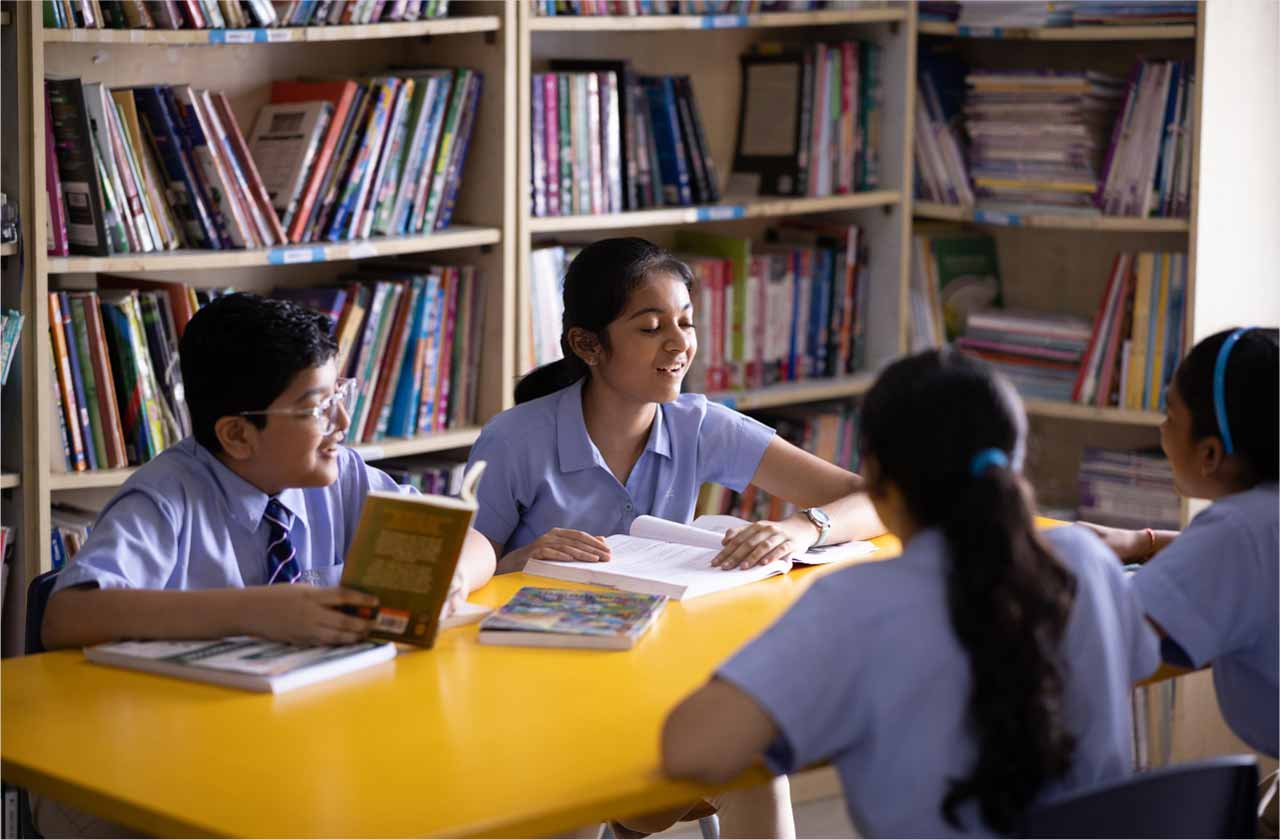
Friendships are an important part of school life. Students do not only learn from books, teachers and classroom activities. They also learn from the people around them. A good friendship can make school feel happier. It can help students feel included, confident and supported. It can also teach kindness, sharing, patience, teamwork and respect. But not every friendship is healthy. Some friendships can create pressure. Some can make students feel left out. Some can become one-sided. Some may involve teasing, comparison, secrecy or control. This is why CBSE schools in Anand should teach students how to build healthy friendships early. Students need to understand that friendship is not only about spending time together. It is also about respect, trust, honesty, kindness and emotional safety.
What does a healthy friendship mean?
A healthy friendship makes students feel safe and respected. It gives them space to be themselves. It does not force them to copy others or hide their thoughts. In a healthy friendship, students can laugh together. They can also disagree respectfully. They can help each other without becoming dependent. They can include others without feeling insecure. Healthy friendships are built on simple habits. Students should learn to listen, share, apologise, forgive, support and speak kindly. They should also learn when to say no. A good friend should not make another student feel small, scared or controlled.
What students in Anand should understand about friendship?
Students should know that a real friend does not always agree with them. A real friend does not force them to do something wrong. A real friend does not make them feel afraid of being left out. Students should also learn that disagreement is normal. Two friends may like different games, subjects, activities, or opinions. That does not mean the friendship is weak.
Healthy friendship means being able to say, “I think differently,” without fear. It also means knowing that kindness is not weakness. Respect is not optional. Humour should not hurt someone’s dignity.
When friendship becomes unhealthy?
Many students do not always recognise unhealthy friendship patterns. They may think certain behaviour is normal because it happens often. CBSE schools in Anand can help students notice early signs.
A friendship may be unhealthy when:
- One student always controls the other.
- One student is afraid to say no.
- Teasing happens again and again.
- Private matters are shared with others.
- One student is excluded on purpose.
- Group pressure becomes common.
- A student is mocked for marks, appearance, language or habits.
- Online messages become rude or hurtful.
- A student feels anxious around friends.
How schools can teach healthy friendship?
Schools can teach healthy friendship through daily school experiences. It should not be limited to one session or one lecture.
| What schools can teach | Activity example | How it helps students |
|---|---|---|
| Include classmates | Circle-time activity: Students sit in a circle and each student shares one idea. The teacher ensures everyone gets a turn. | Students learn that every classmate deserves space, attention and respect. |
| Listen patiently | Listen and repeat activity: One student shares a thought. The next student repeats the key point before adding their own view. | Students learn to listen before replying. They also understand that communication is not only about speaking. |
| Avoid mocking others | Kind words wall: Students write positive words or appreciation notes for classmates after group activities. | Students learn that words can build confidence. They also understand that jokes should not hurt others. |
| Share responsibilities | Group role rotation: In each project, students take turns as writer, presenter, researcher, organiser or reviewer. | Students learn that teamwork works better when responsibility is shared fairly. |
| Apologise when needed | Repair the mistake role play: Students act out small friendship conflicts and practise saying sorry meaningfully. | Students learn that an apology should include honesty, responsibility and better behaviour next time. |
| Speak honestly but kindly | Polite feedback activity: Students review a classmate’s work by saying one strength and one area to improve. | Students learn to be truthful without being rude. |
| Say no respectfully | Boundary practice cards: Teachers give situations such as "copy my homework" or "share your password". Students practise respectful ways to say no. | Students learn that saying no can protect their values, privacy and comfort. |
| Report bullying or exclusion | Trusted adult mapping: Students identify whom they can approach in school when they feel unsafe or uncomfortable. | Students understand that asking for help is responsible, not weak. |
| Handle disagreement calmly | Two views activity: Students discuss a topic from two different viewpoints and then summarise both sides. | Students learn that disagreement does not have to become conflict. |
Questions parents can ask during school admission
During school admission in Anand, parents can ask how the school helps students build healthy peer relationships.
They can ask:
- How does the school encourage inclusion?
- How are bullying, teasing and exclusion handled?
- Are students taught about peer pressure?
- Is counselling support available?
- How do teachers notice friendship issues?
- How are parents informed about peer concerns?
- Are group activities structured so every student participates?
- How does the school teach respectful communication?
These questions help parents understand the school’s approach beyond academics.
At Podar International School in Anand, the focus is on helping students grow in a respectful and supportive environment. Students are encouraged to communicate kindly, include others, participate positively and understand the value of healthy peer relationships. Teachers guide students through classroom activities, group work, discussions, feedback and regular interaction. The aim is to help students build friendships based on respect, trust, empathy and responsibility. The school also works closely with parents. This helps students receive consistent guidance at home and in the classroom.
To know more about Podar International School in Anand and the admission process, please get in touch with our team.
Email Address: admissions@podar.org
Telephone No: 6366438021

